
Quantitative trading models
Academic papers hold powerful ideas — Markowitz, cointegration — but are written for peer reviewers, not traders. Most practitioners lack the time to re-derive and reproduce them.
We do the heavy lifting: fix the math, clean the data, reproduce the results and test profitability. You read the introduction and conclusion, then call the model on your own data.
Each model is an add-on and requires an AlgoQuant license.
The models
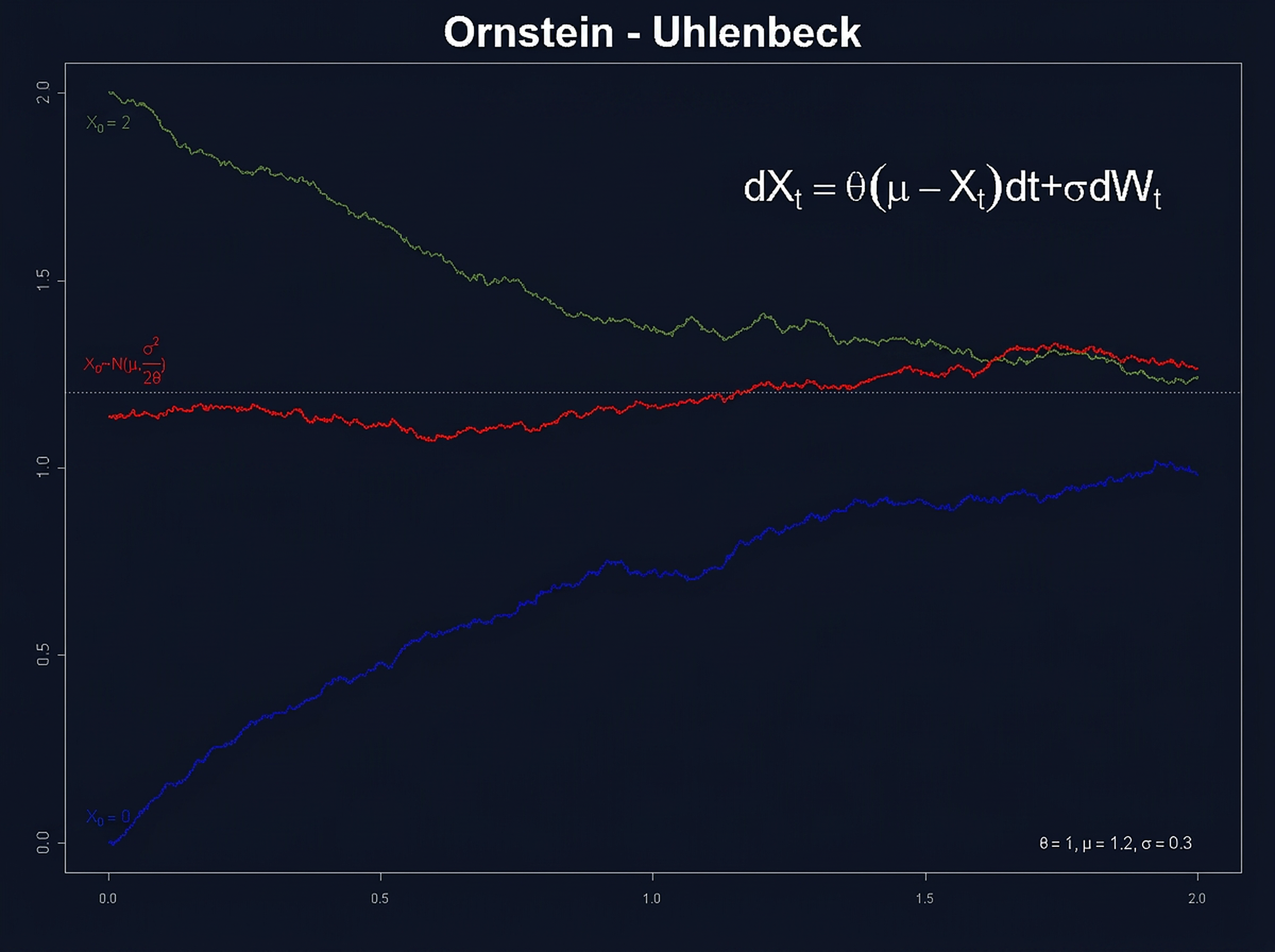
Elliott Pairs Trading Model
Gives the pairs-trading heuristic a rigorous probabilistic foundation: the pair's spread is a hidden mean-reverting Markov chain observed in Gaussian noise, and trades fire when the observed spread diverges from its filtered equilibrium.
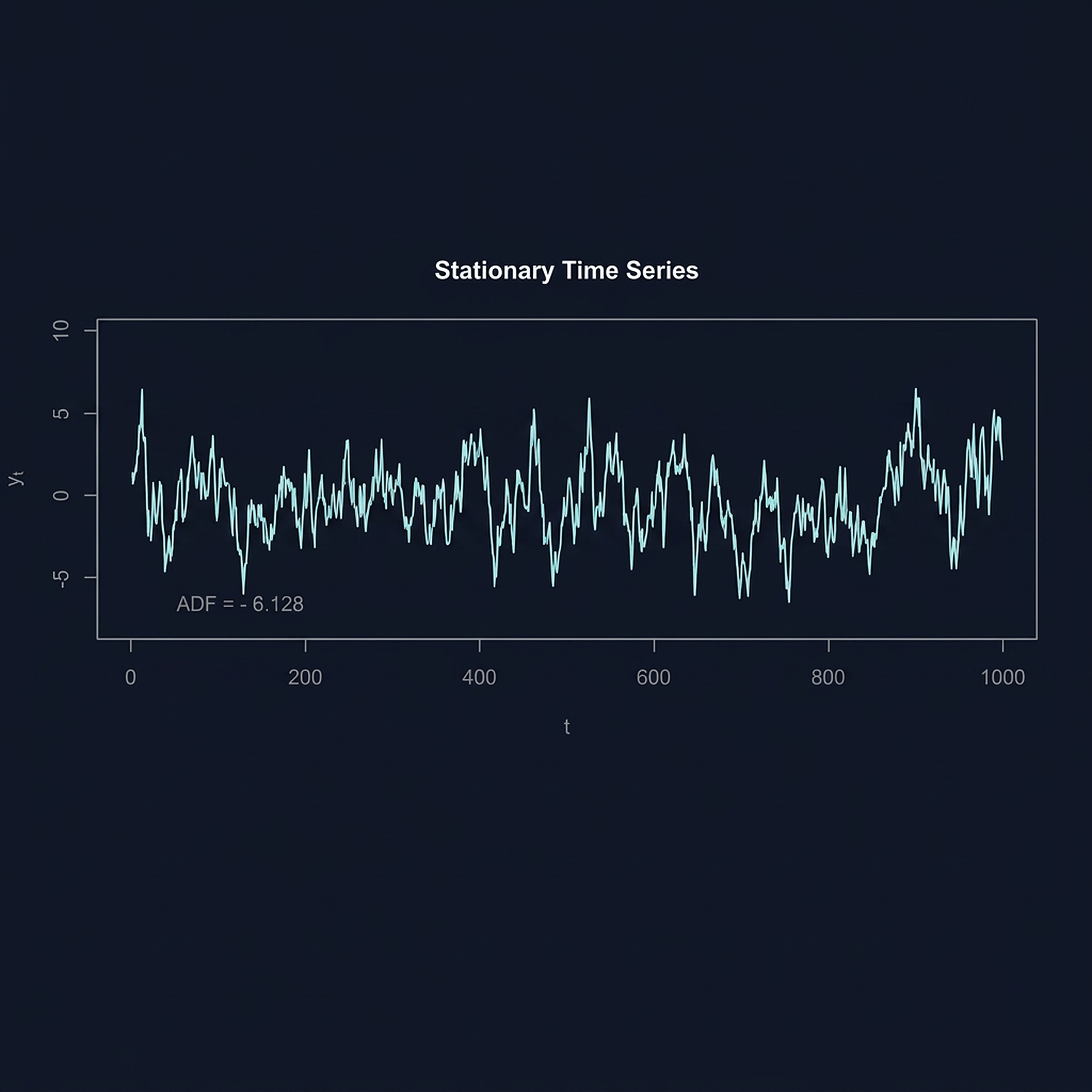
Identifying Small Mean Reverting Portfolios
Generalizes pairs trading to n assets: finds the most mean-reverting portfolio using at most k of them, via a cardinality-constrained generalized eigenvalue problem solved by greedy search or semidefinite relaxation.
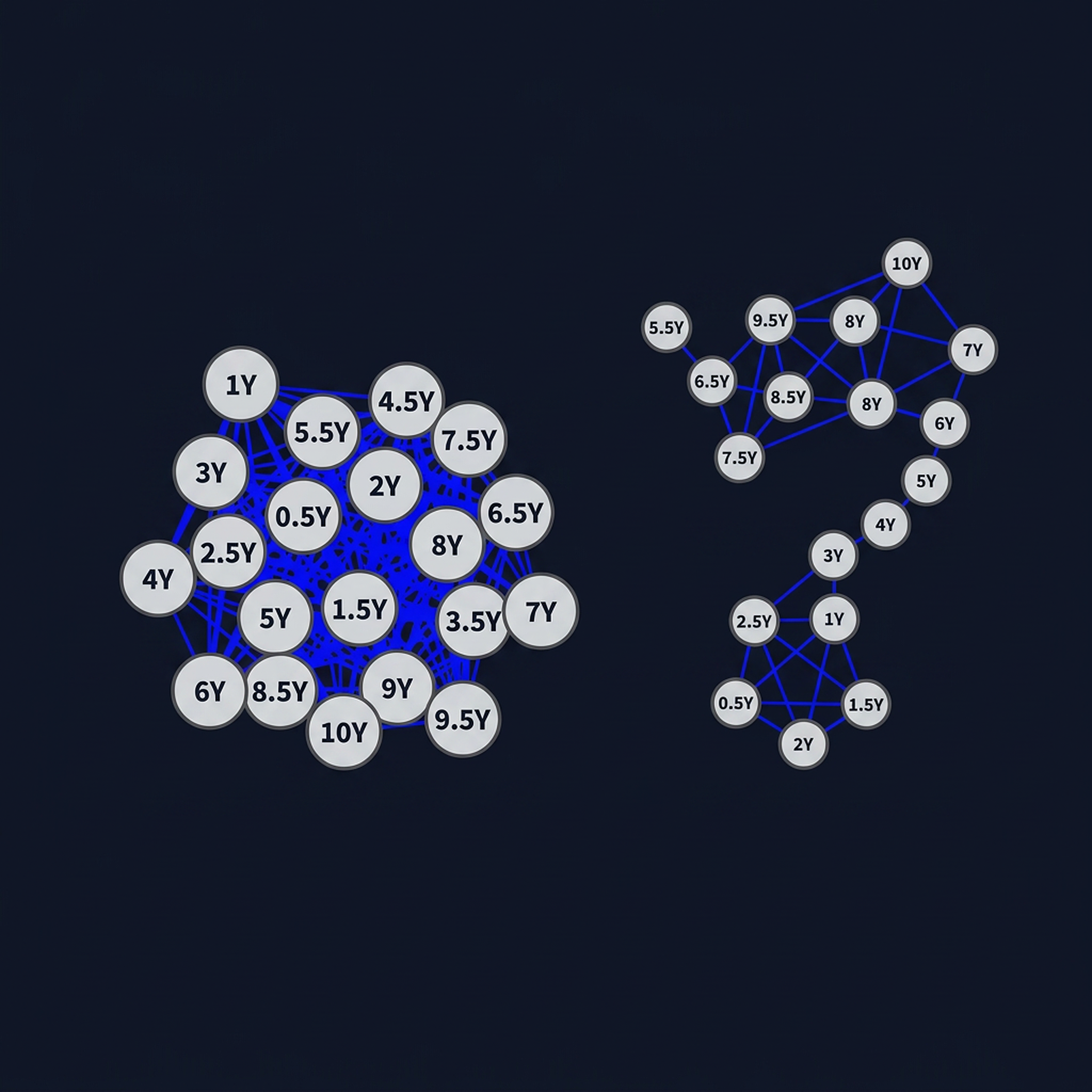
Covariance Selection by LASSO
Estimates a sparse inverse covariance matrix by ℓ1-penalized maximum likelihood — revealing which assets genuinely interact — using the GLASSOFAST algorithm, an order of magnitude faster than the original GLASSO.
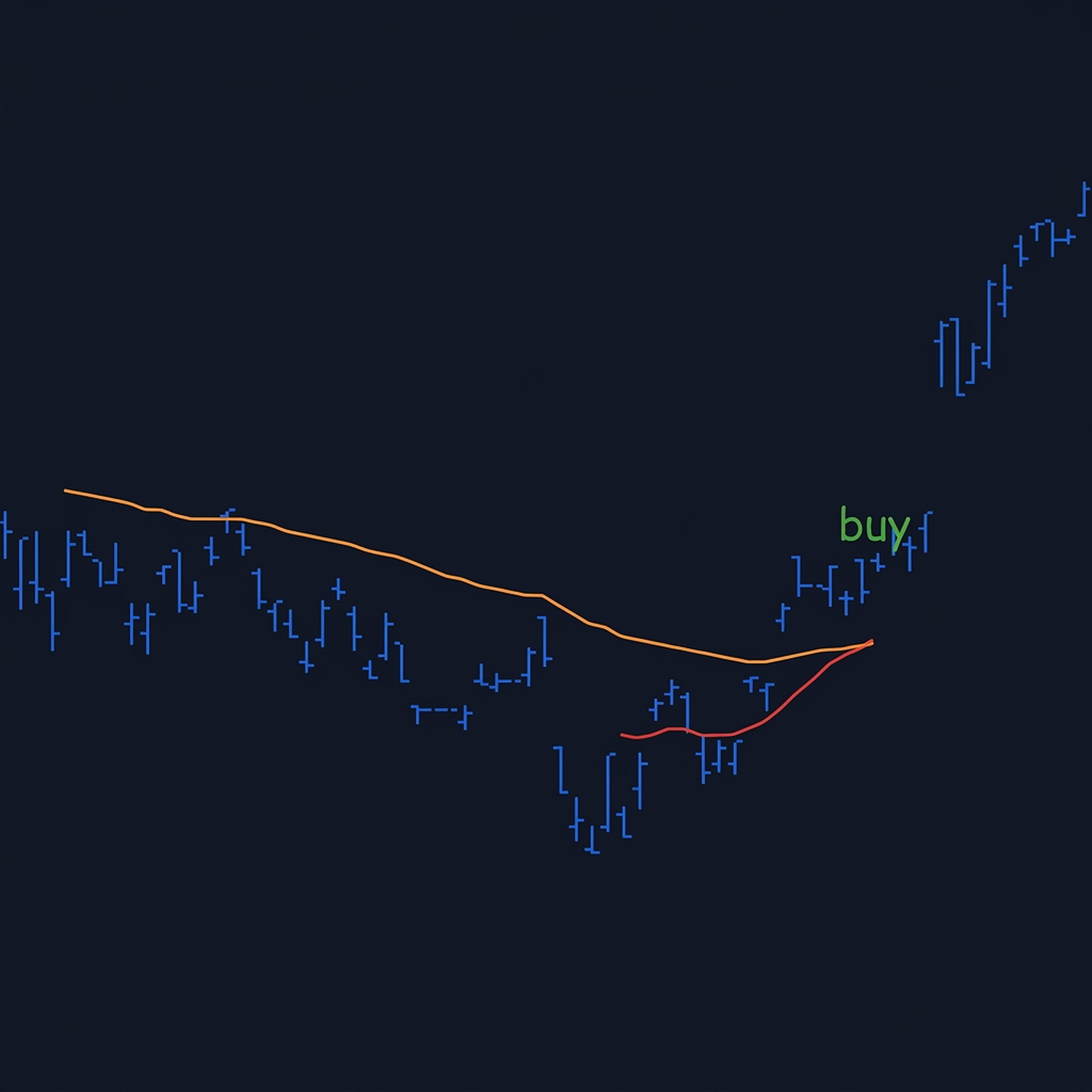
Knight-Satchell-Tran Moving Average Crossover Model
Models upside and downside moves with separate Gamma distributions in a two-state Markov framework — capturing asymmetric risk — and derives exact expected-P&L formulas for moving-average crossover rules.

Optimal Trend Following Trading Rules
The first rigorous justification of trend following: in a bull/bear regime-switching market, the provably optimal rule buys when the filtered probability of a bull market crosses an upper threshold and sells below a lower one.
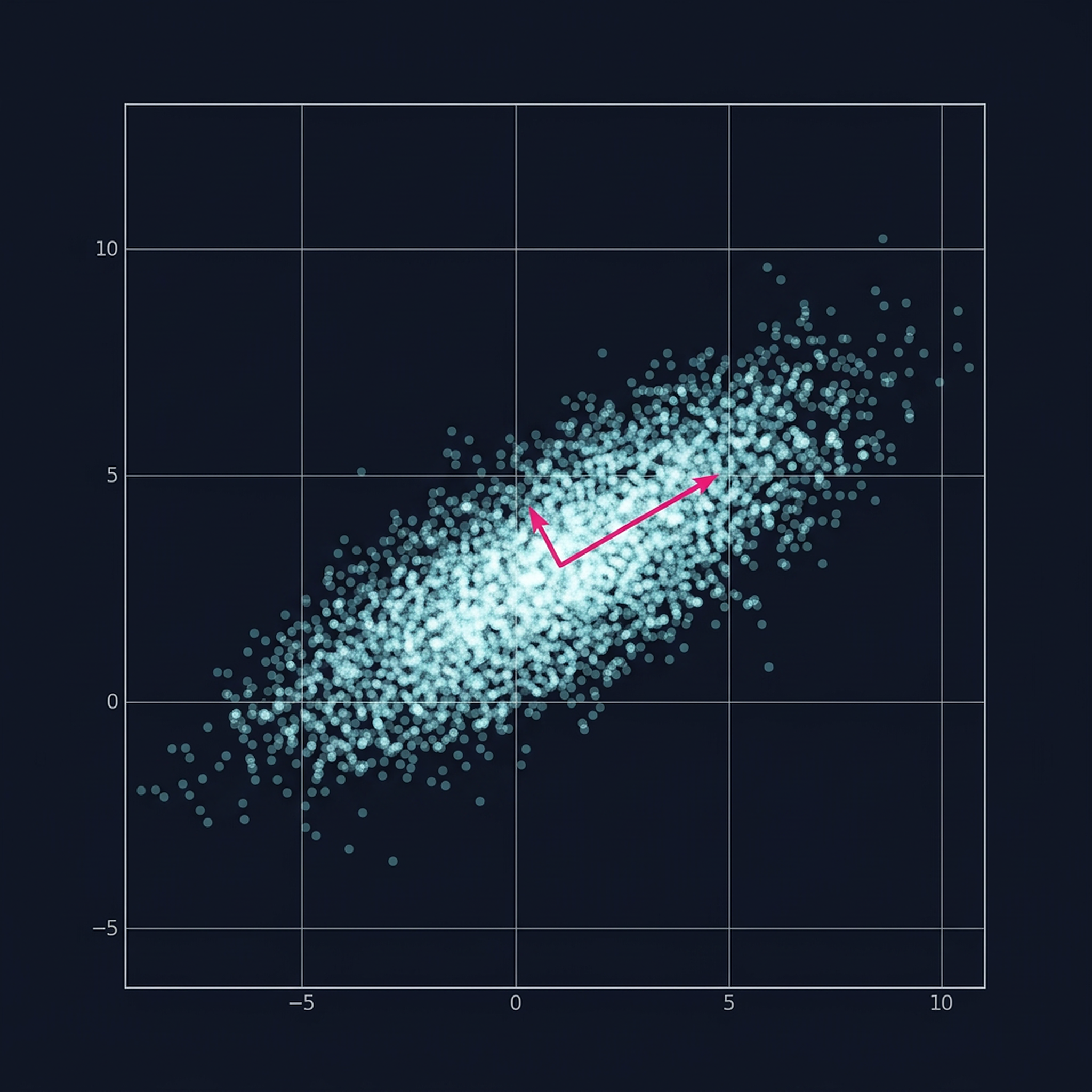
Infantino's PCA Model
A high-frequency stat-arb model: rolling PCA on a liquid stock universe builds a factor-hedged fair-value signal, and a dispersion-based regime switch decides whether to fade the move or follow it.

SOCP Portfolio Optimization
Portfolio selection with real-world frictions — transaction costs, variance caps, shortfall-risk limits, diversification bounds — solved exactly and fast as a second-order cone program.
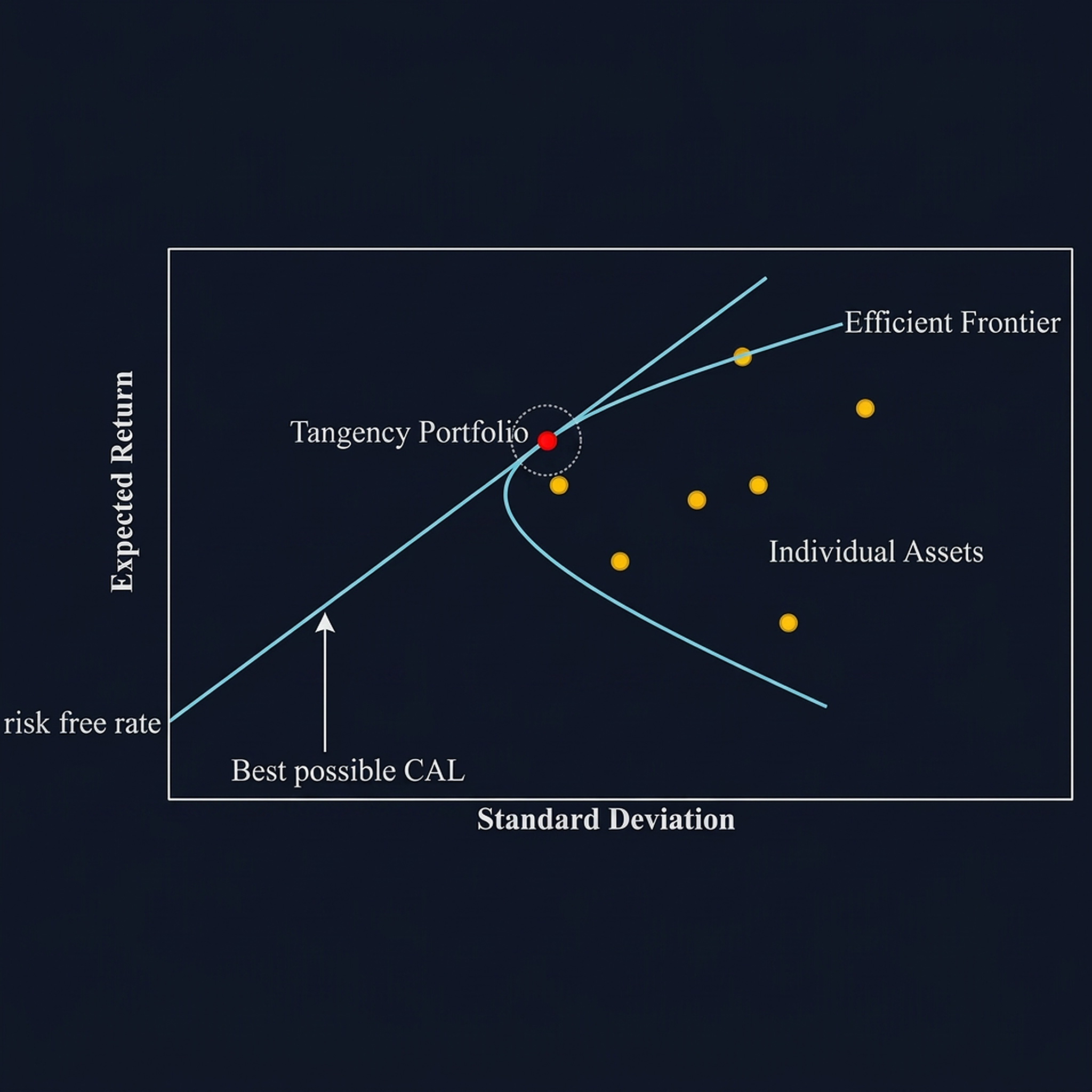
Solving the "Corner Solution Problem" of Portfolio Optimization
Extreme concentration in efficient portfolios is structural, not estimation noise — so instead of fighting it with shrinkage, search a small tolerance neighbourhood of the frontier for the most diversified near-efficient portfolio.