
AlgoQuant
A Java framework for quantitative research, simulation and strategy development.
AlgoQuant provides a framework and reusable components for studying, simulating, researching and applying quantitative strategies. Combine market data, quantitative models, portfolio construction, event-driven simulations and performance analysis in your own Java applications.
Powered by NM Dev numerical computing.
The foundation of our products
Everything a quant desk needs
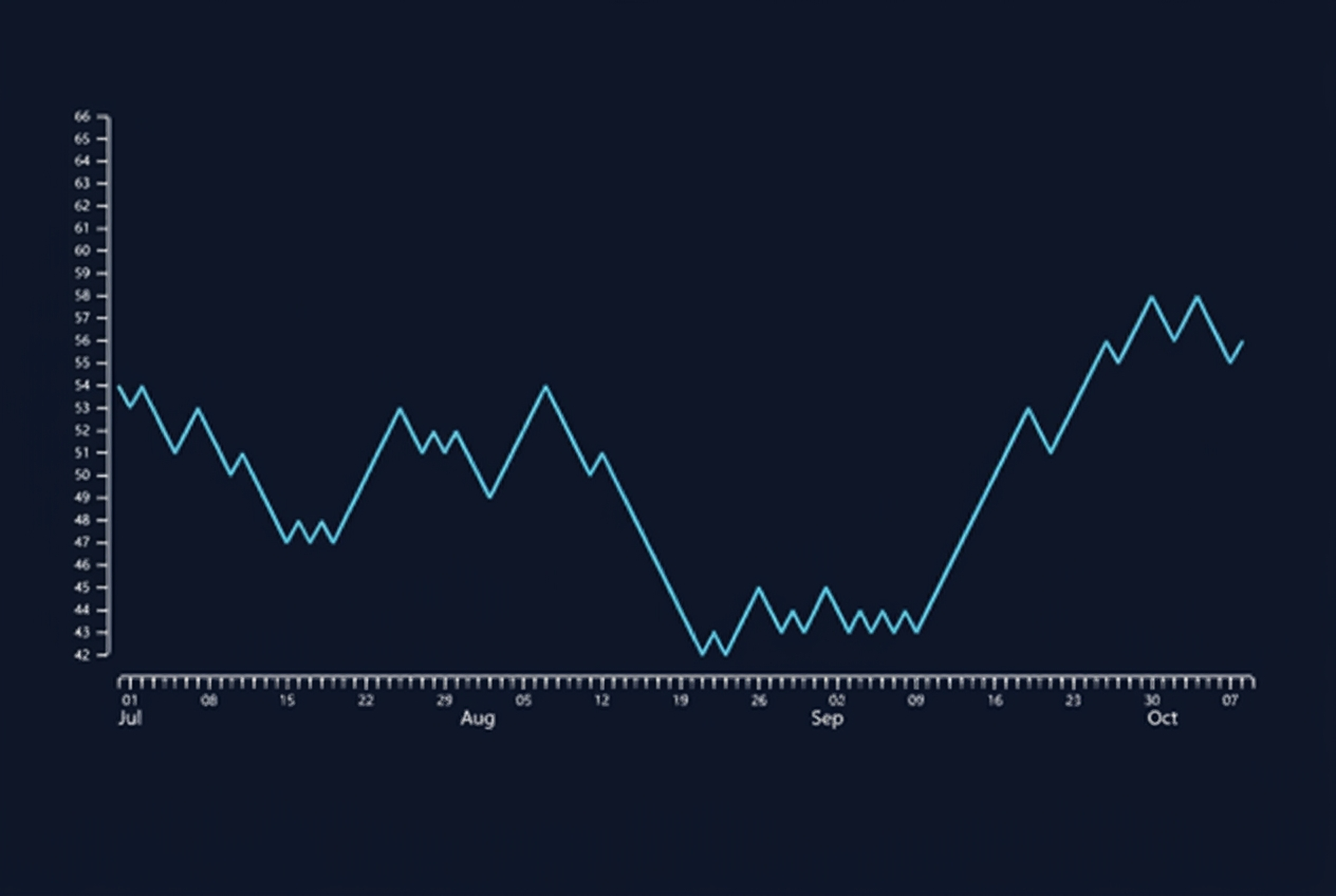
Market data
Load and process historical market data, with adapters such as Yahoo, Sina and Eastmoney downloaders and reusable disk caching.
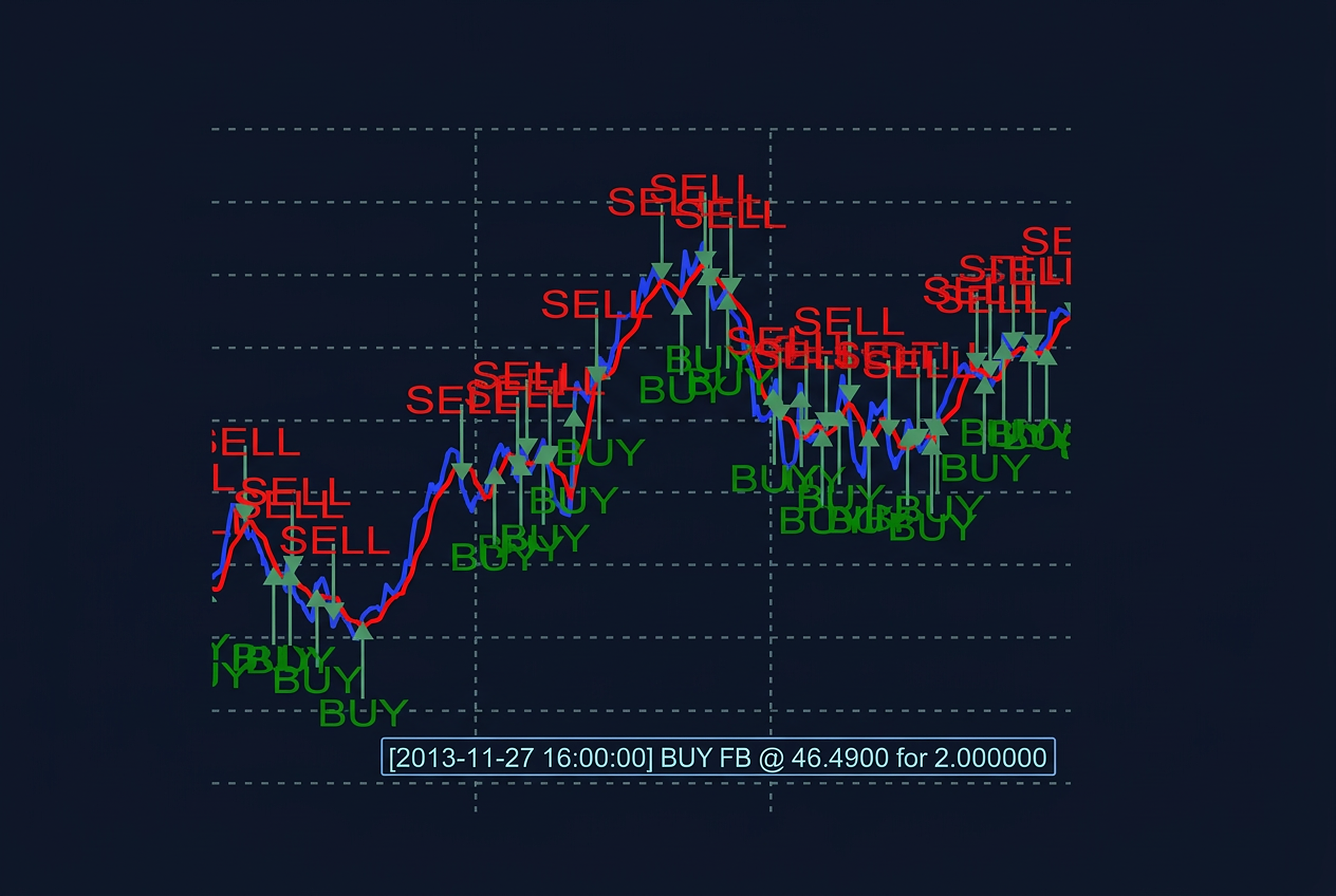
Event-driven simulation
Connect strategies, market events, execution assumptions and portfolio accounting.
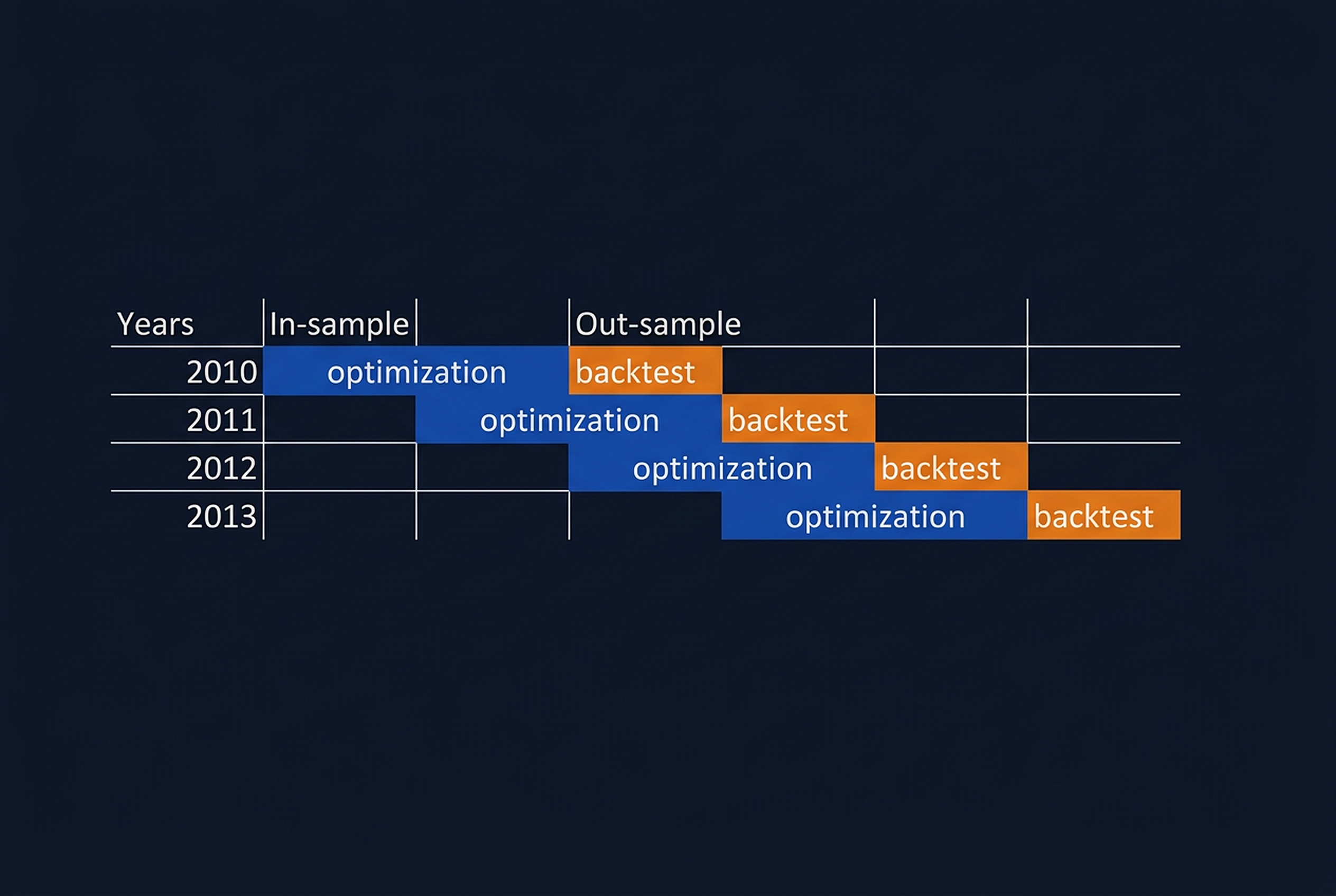
Parameter research
Explore parameter choices, calibration windows and simulation scenarios.
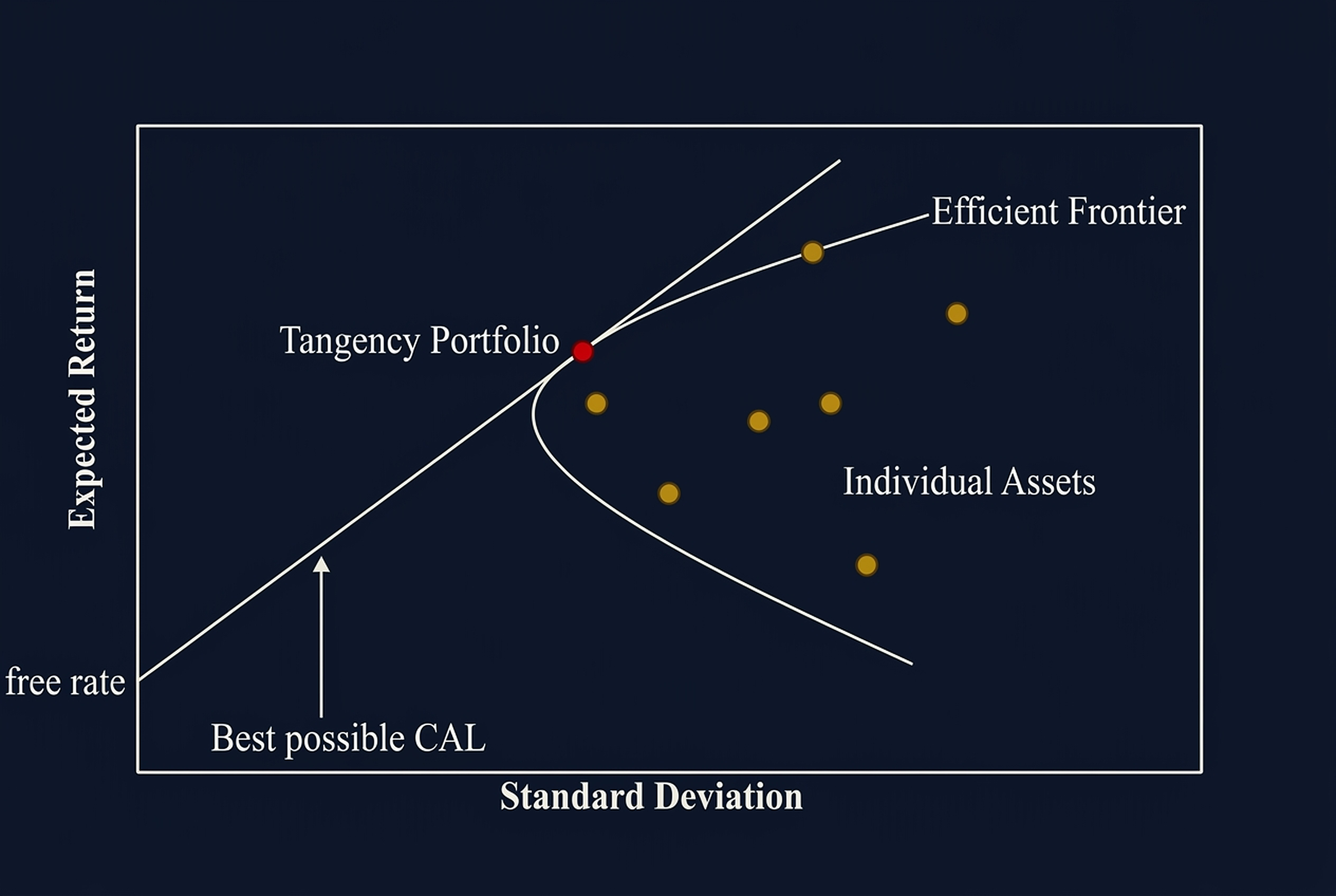
Portfolio construction
Study allocation, constraints, covariance estimation and portfolio optimization.

Quantitative model references
Explore implementations of published quantitative methods and extend them for your own research.

Performance analysis
Calculate returns, risk measures, drawdowns, risk-adjusted statistics and benchmark comparisons.
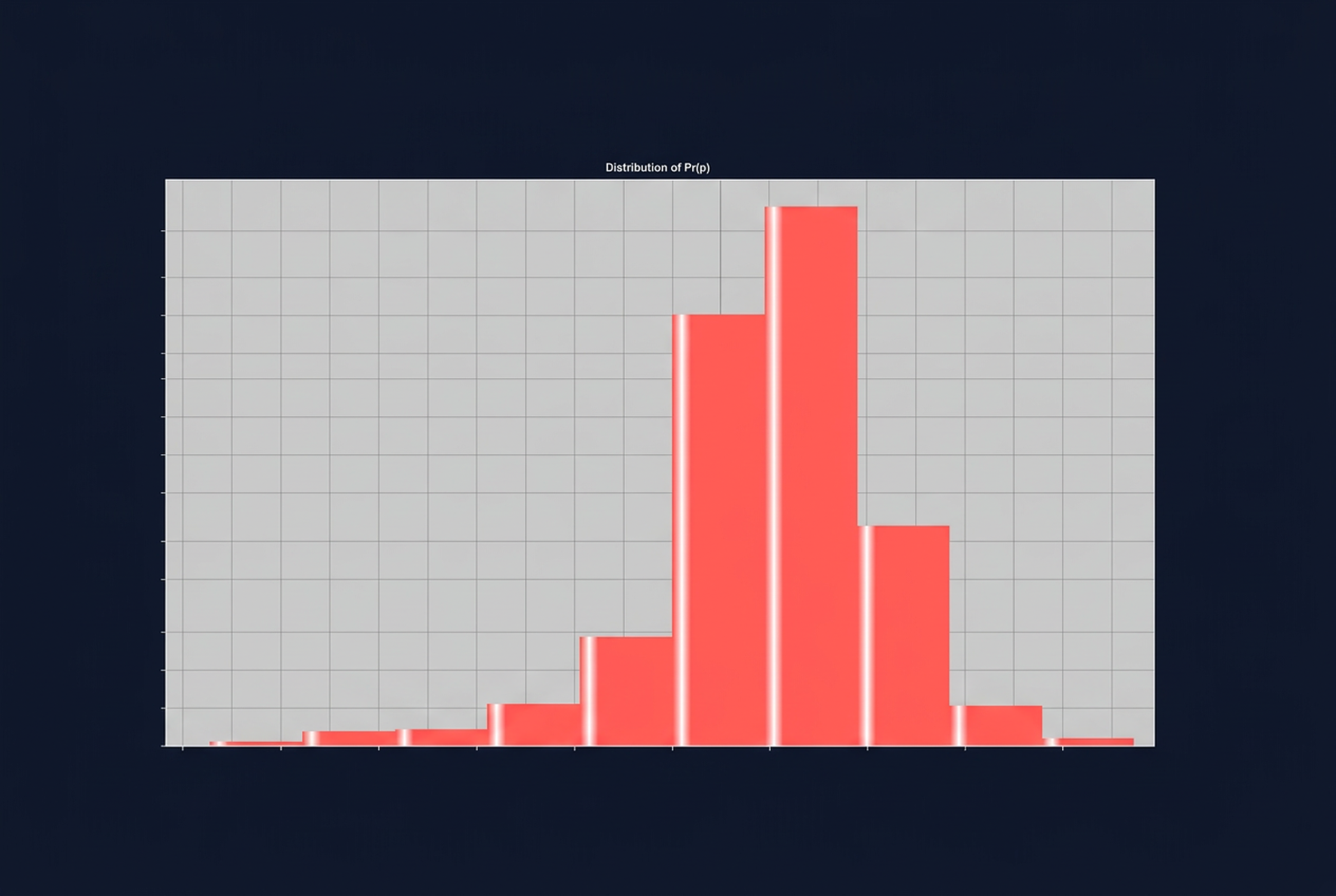
Simulation experiments
Investigate sensitivity and resampling through the available examples and APIs.
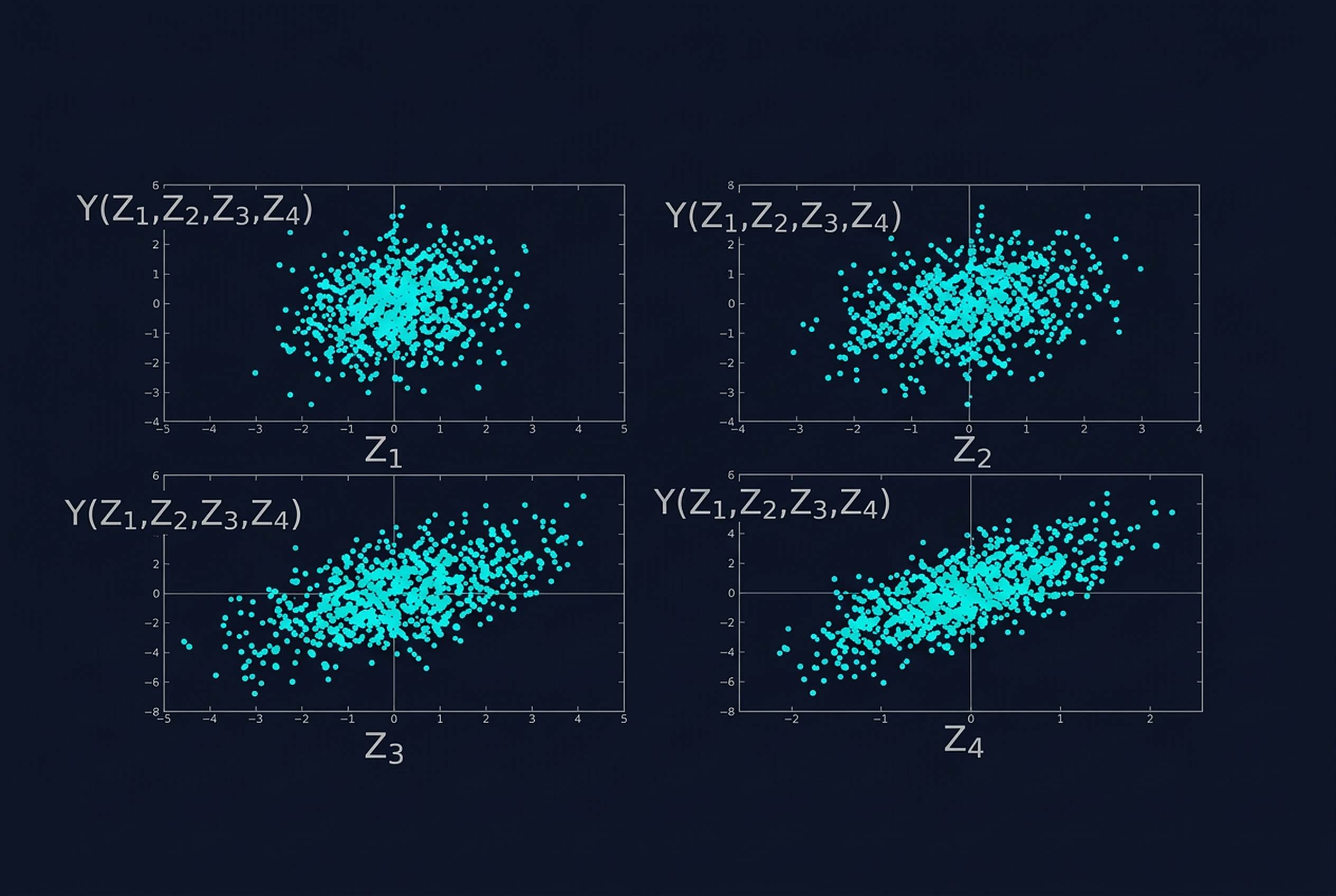
Application development
Build Java research applications, reporting tools and integrations around the framework.
A framework for quantitative research
AlgoQuant is a framework and host for quantitative research. It brings together reusable infrastructure and quantitative model implementations so researchers and developers can study methods, run simulations, compare assumptions and build applications.
Quantitative models for reference and application
The examples include quantitative models and implementations inspired by published research. Use them for reference, study, further research and application under the applicable license. Explore the accompanying explanations, original publication references, Java source and recorded outputs.
Tutorials that teach the APIs
Start with technical tutorials to learn data handling, strategy construction, simulation and reporting. Their numerical results are incidental to the teaching purpose and should not be interpreted as investment recommendations or evidence of profitability.
- Tutorials and quantitative model references →
- Public example and application source →
- Tutorial reading guide →
- Examples Javadoc →
- AlgoQuant API Javadoc →
Try AlgoQuant in your browser
SMA2 Strategy Lab
Choose a supported US stock, a backtesting period and two moving-average periods in trading days. Compare the strategy with buy-and-hold of the underlying stock and an S&P 500 benchmark. Explore interactive charts, performance statistics, saved reports and exports.
Performance Analyzer
Import a public Google Sheet or CSV containing dated NAV or price series. Compare performance statistics across series and an S&P 500 benchmark, inspect interactive reports and export the results.
Results depend on input data and simulation assumptions. Review each application's methodology and limitations.
Install AlgoQuant
Use Maven to add the licensed AlgoQuant distribution to your Java project. The current examples use AlgoQuant 3.3.2 with NM Dev 1.2.7.
1.Configure GitHub Packages authentication
The packages are publicly visible, but GitHub Packages requires authentication for Maven downloads. Use your own GitHub personal access token (classic) with read:packages permission. Access to our private source repositories is not required.
<settings>
    <servers>
        <server>
            <id>github-nm-packages</id>
            <username>${env.GITHUB_USERNAME}</username>
            <password>${env.GITHUB_PACKAGES_TOKEN}</password>
        </server>
    </servers>
</settings>
Add the server entry to your Maven settings.xml:
- macOS/Linux · ~/.m2/settings.xml
- Windows · %USERPROFILE%\.m2\settings.xml
If you already have a settings file, merge the <server> entry into its existing <servers> section.
Set GITHUB_USERNAME to your GitHub username and GITHUB_PACKAGES_TOKEN to your token in your local environment. Keep credentials out of your project POM and source control.
2.Add the repository to pom.xml
<repositories>
    <repository>
        <id>github-nm-packages</id>
        <url>https://maven.pkg.github.com/nmltd/maven-packages</url>
    </repository>
</repositories>
3.Add dependencies
<dependencies>
    <dependency>
        <groupId>dev.nm</groupId>
        <artifactId>nmdev-dist</artifactId>
        <version>1.2.7</version>
    </dependency>
    <dependency>
        <groupId>tech.nmfin</groupId>
        <artifactId>algoquant-dist</artifactId>
        <version>3.3.2</version>
    </dependency>
</dependencies>
AlgoQuant 3.3.2 contains older embedded NM Dev classes. The current examples explicitly add NM Dev 1.2.7 first. Preserve that order in custom runtime classpaths; a wildcard classpath alone does not guarantee JAR order.
4.Obtain a license and run an example
A valid NM license with the required entitlements is needed to run the libraries. Contact sales@nmfin.tech for a trial or commercial license. Download access and GitHub authentication are separate from software licensing.
View setup and runnable examples →AlgoQuant 3.3.2 downloads
Direct release downloads are available without Maven authentication. The binary is obfuscated and requires a valid NM license. The Javadoc JAR contains API documentation.
Licenses & services
Registered full-time students. Includes NM Dev Basic, Optimization and Statistics.
Yearly subscription with NM Dev Basic, Optimization and Statistics.
Yearly subscription with NM Dev Basic, Optimization and Statistics.
Minor-release update
FreeCumulative patches within the same major version (1.x.y → 1.x.z) at no charge.
Model update
$100Cumulative updates for one model or add-on to its latest version.
Consultation
$300Per hour. We help you develop a quantitative strategy or model.
AlgoQuant is proprietary software licensed under the applicable agreement. Public example source code is provided under its stated license terms. Downloading a binary does not grant an AlgoQuant runtime license or redistribution rights.
The applicable agreement determines the subscription term, permitted use, deployment rights and entitlements.
Redistribution, bundling or sublicensing AlgoQuant or NM Dev requires a separate OEM agreement. Contact sales@nmfin.tech.
An experienced quant IT team behind you
Our team of financial engineers, computer scientists and mathematicians can help you build your own trading strategies and infrastructure on top of the platforms and techniques we already have.
- →AI and machine learning technologies
- →Customized financial infrastructures and simulation engines
- →Factor models and optimization models
- →Self-calculated indices and risk factors
- →Chinese market access and data sources